Where Siddhartha Gautam entered the world over 2,500 years ago.
There is a pillar in southern Nepal, weathered by twenty-three centuries of monsoon and sun, on which Emperor Ashoka had an inscription carved in 249 BCE. It reads, in the Brahmi script of the Mauryan court: "Here Buddha, the Blessed One, was born." That pillar still stands in Lumbini, in the Rupandehi district of Province No. 5, and is still the most direct historical evidence we have for this place.
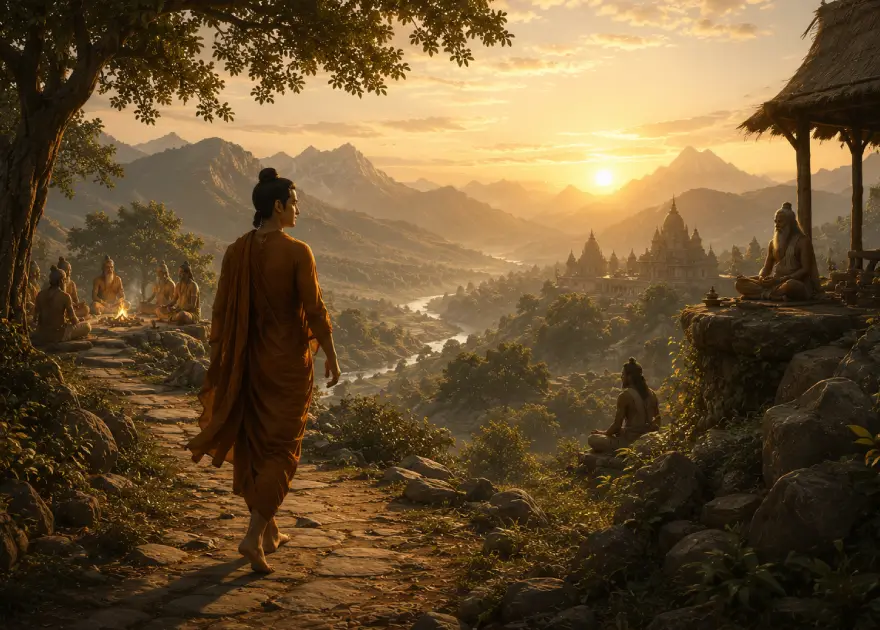
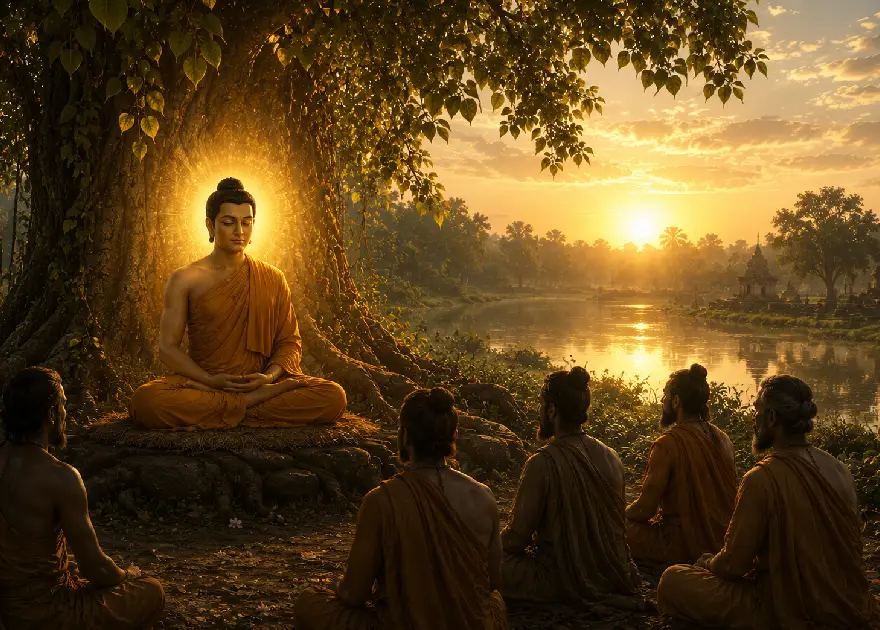
Lumbini is where Queen Mayadevi gave birth to Siddhartha Gautama, around 563 BCE, while travelling from Kapilavastu to her family home in Devadaha. She paused in the Lumbini garden — a park maintained by both communities — and gave birth while standing and holding the branch of a sala tree. Within days of the birth, she died.
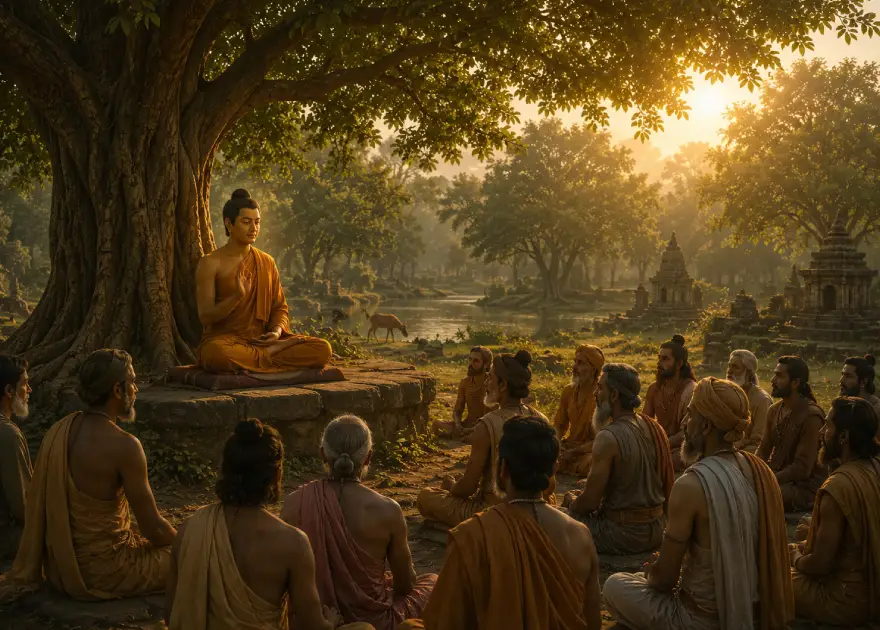
The site was known to early Buddhism as one of four places Buddha himself instructed his followers to visit with reverence. He named it in the Mahaparinibbana Sutta, the account of his final days and passing.
Emperor Ashoka visited Lumbini on his great pilgrimage to Buddhist sites, approximately two centuries after Buddha's death. He had a pillar erected and a stone enclosure built around the sacred tree and the pool. He also, according to the inscription on the pillar, reduced the tax burden of Lumbini village in recognition of the site's significance. Chinese pilgrims Faxian (early 5th century CE) and Xuanzang (7th century CE) both visited Lumbini and left accounts of what they saw, noting the pillar, the pond, and the shrine.
Lumbini was largely forgotten by the outside world after the decline of Buddhism in the Indian subcontinent. The Ashokan pillar, cracked by lightning and buried under soil, was rediscovered in 1896 by the Nepali Governor of Palpa named Khadga Samsher Jung Bahadur Rana and the German archaeologist Anton Fuhrer. Subsequent excavations confirmed the site beyond reasonable doubt.
Lumbini was designated a UNESCO World Heritage Site in 1997. The Lumbini Development Trust, established in 1985, oversees the ongoing development of a master-planned sacred zone designed by the Japanese architect Kenzo Tange.
Queen Mayadevi gives birth beneath a Sala tree in Lumbini.
Ashoka erects the famous stone pillar identifying Buddha's birthplace.
The Chinese pilgrim documents the sacred garden and Ashokan Pillar.
Xuanzang records detailed descriptions of Lumbini during his pilgrimage.
Khadga Samsher Rana and Anton Führer rediscover the Ashokan Pillar.
Lumbini receives UNESCO World Heritage designation.
"Here Buddha, the Blessed One, was born."
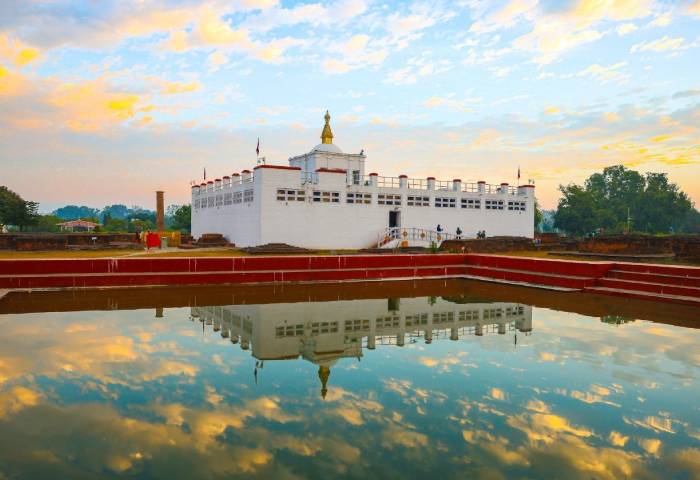
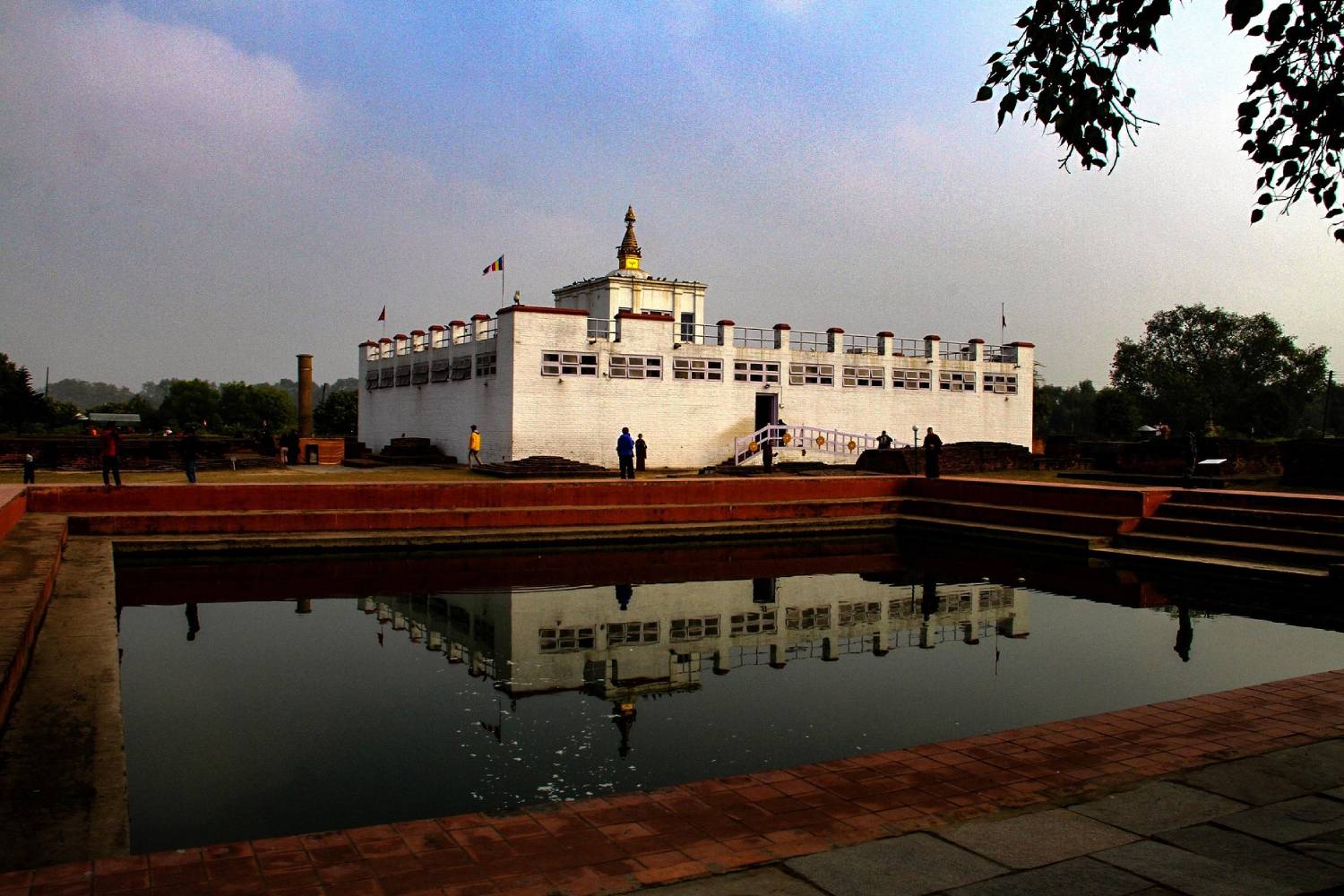
— Emperor Ashoka, 249 BCEThe Mayadevi Temple marks the precise location of Buddha's birth. Excavations beneath and around the temple have revealed structural remains going back to the third century BCE — including a timber shrine that may be the earliest Buddhist structure ever identified. A marker stone within the temple, exposed during archaeological work in the 1990s, is considered by many scholars to identify the exact birth spot.
The temple has been rebuilt and modified many times across centuries. Its current form, completed in 2003 under UNESCO supervision, encloses and protects the archaeological findings beneath it. The interior, accessed in bare feet and silence, contains the marker stone and a carved relief panel depicting the birth of Buddha, attributed to the Gupta period (3rd to 6th century CE).
Detail of the birth relief at the Mayadevi Temple, depicting Queen Mayadevi at the moment of Buddha's birth.
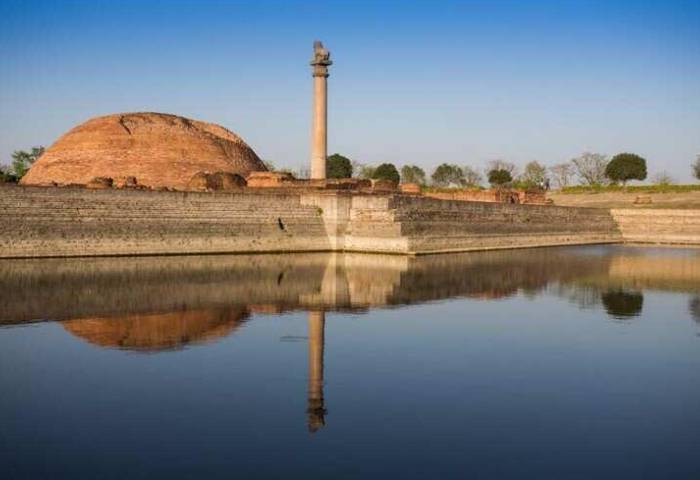
The Ashokan Pillar, inscribed in 249 BCE — the most direct historical evidence of Buddha's birthplace.
The sandstone pillar erected by Ashoka in 249 BCE stands roughly six metres in height in its present exposed state. Its capital has been lost, but the inscribed shaft confirms Ashoka's visit and the identification of Lumbini as Buddha's birthplace. It is one of fewer than twenty surviving Ashokan pillars and among the most historically significant.
According to tradition, Mayadevi bathed in this pond before giving birth, and the newborn Siddhartha was given his first bath here. The pond has been excavated and restored, and it remains a significant point of pilgrimage within the sacred garden. Early textual accounts mention it specifically.
The Puskarini Pond at dawn — a place of quiet reflection and ancient significance.
Tibetan monks circumambulating the sacred zone during a festival at Lumbini.
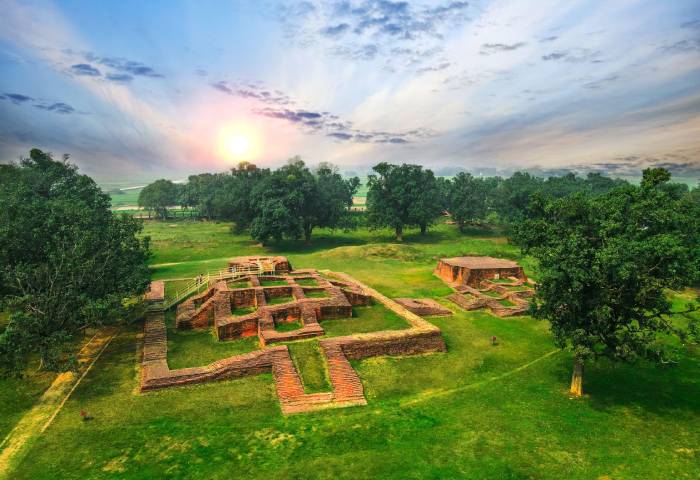
Kenzo Tange's master plan for Lumbini divided the surrounding area into an East Monastic Zone and a West Monastic Zone, linked by a central canal and culminating at the Mayadevi Temple. More than twenty countries have constructed monasteries and temples within these zones, representing Theravada, Mahayana, and Vajrayana traditions. The result is a living cross-section of global Buddhism gathered around the birthplace of its founder.
Explore the timeless beauty of Lumbini through its sacred monuments, peaceful gardens, ancient relics, and moments of devotion. Every image reflects the spiritual heritage of the birthplace of Lord Buddha and the serenity that continues to inspire pilgrims from around the world.
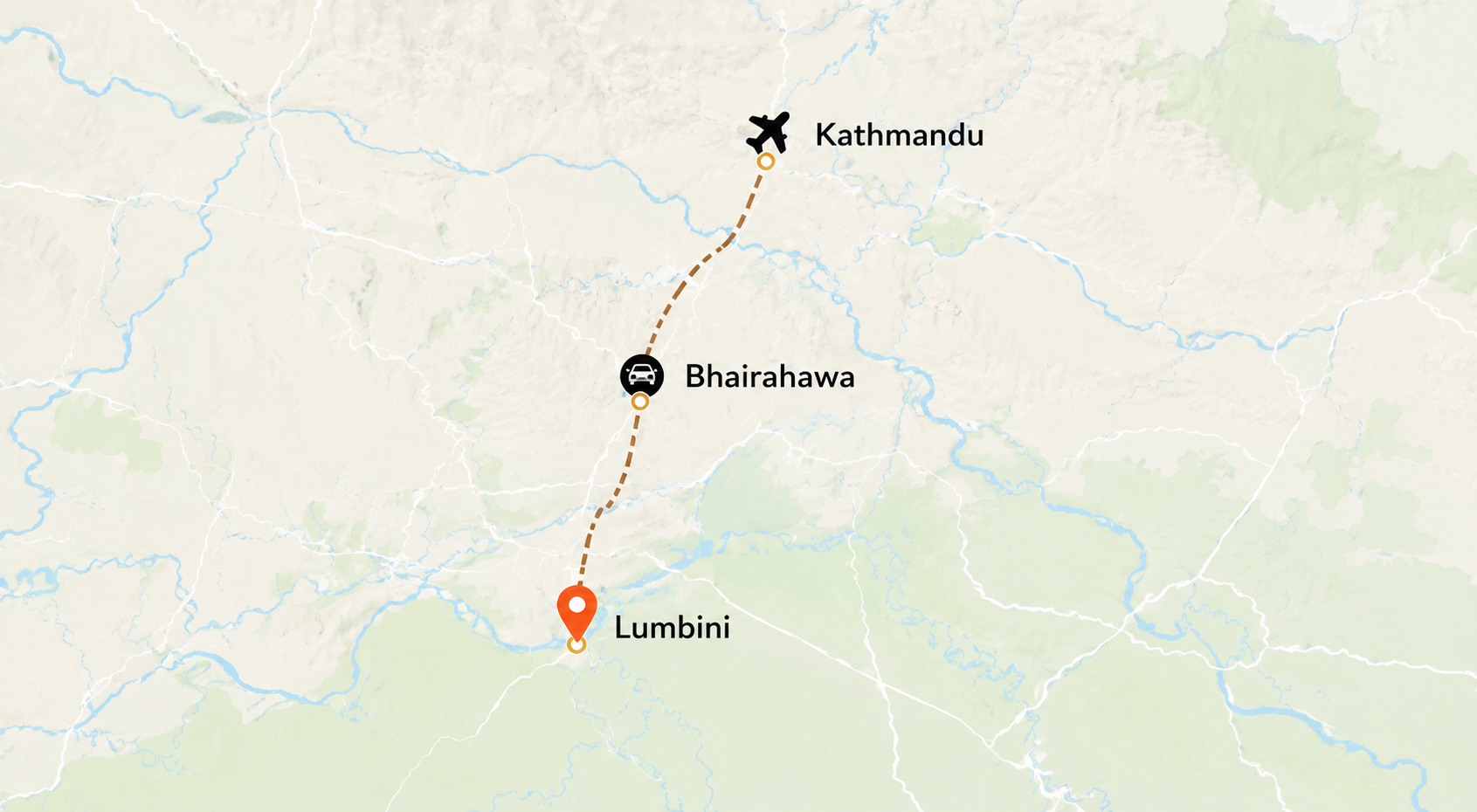
Lumbini lies approximately 260 kilometres west of Kathmandu by road, or a short flight from Kathmandu to Bhairahawa (Gautam Buddha International Airport), followed by a 20-minute drive. The nearest Indian border crossing is at Sunauli/Belahiya, on the road from Gorakhpur. Most pilgrims entering from India arrive via Gorakhpur.
Accommodation ranges from modest guesthouses to the more comfortable options within and around the Lumbini Master plan zone. The site is open year-round, with October through February generally considered the most pleasant visiting season.