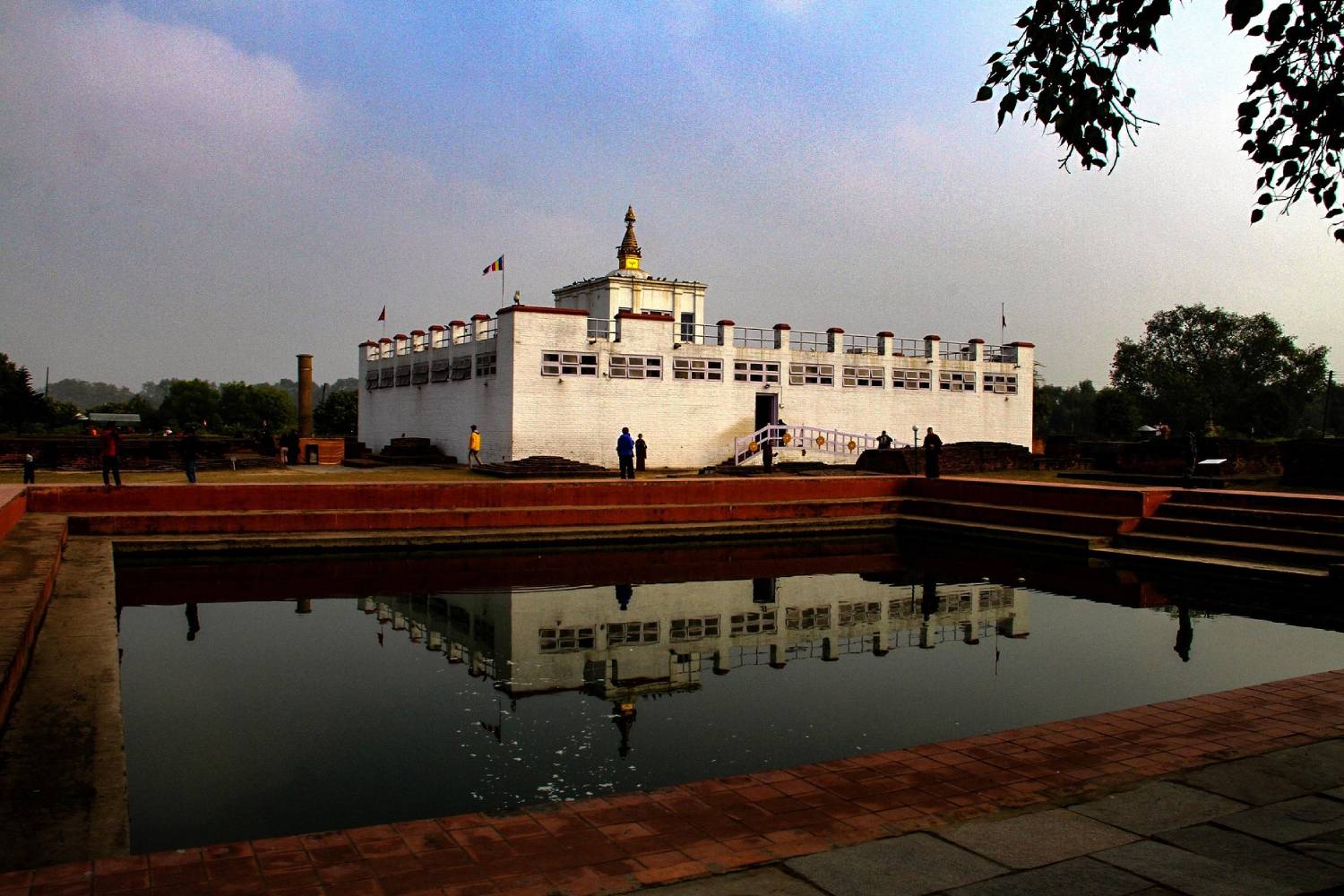
Embark on a sacred journey to Lumbini, the birthplace of Lord Buddha, and experience ultimate serenity.
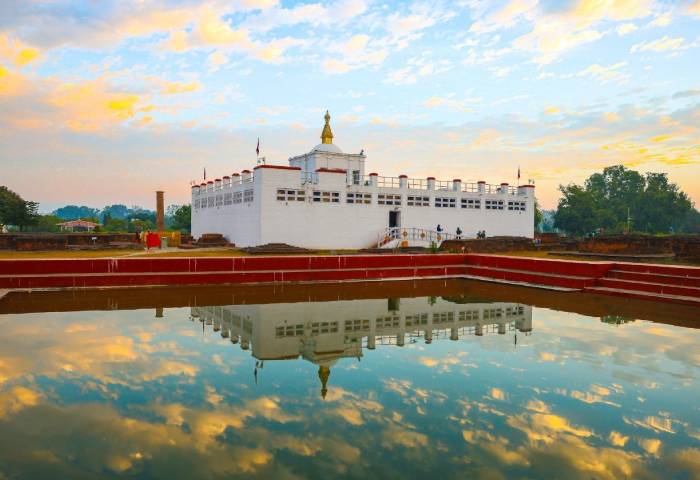
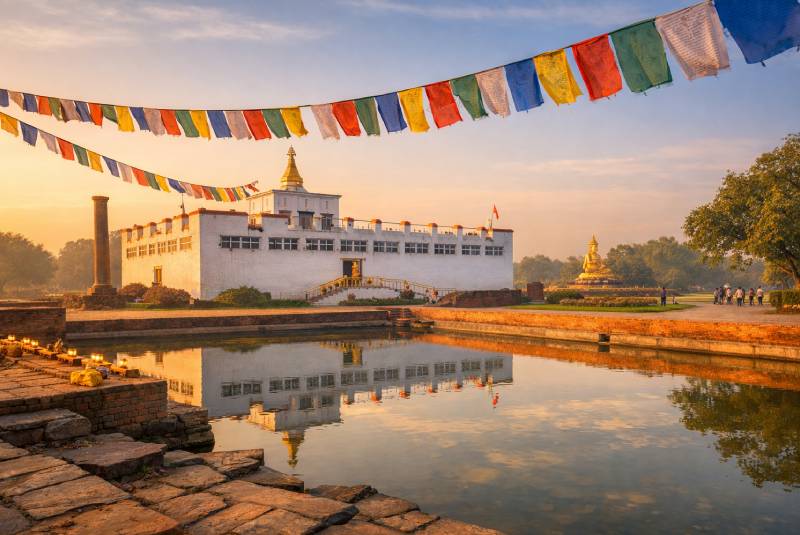
The man who became the Buddha was born as Prince Siddhartha Gautama, heir to the Shakya kingdom of Kapilavastu in what is now southern Nepal. Tradition remembers his beginnings within a royal household, amid cultivated fields, forest groves, and ancient settlements at the edge of the Himalayan foothills. He was born in the sixth century BCE in the gardens of Lumbini, where his mother, Queen Mayadevi, is said to have paused beneath the trees during a journey between Kapilavastu and her ancestral home-Devdaha.
About BuddhismFrom a grove in the plains of Lumbini to the quiet banks of the Hiranyavati at Kushinagar, the places associated with the life of the Buddha continue to draw pilgrims, seekers, and travellers from across the world.
"These four places, Ananda, should be visited with feelings of reverence and awe by all who have faith."
— Buddha, as recorded in the Mahaparinibbana SuttaFour sites mark the cardinal moments of Buddha's life. Together they form the heart of Buddhist pilgrimage — places visited continuously for more than two thousand years, where the presence of history is palpable and the impulse toward reverence feels entirely natural.
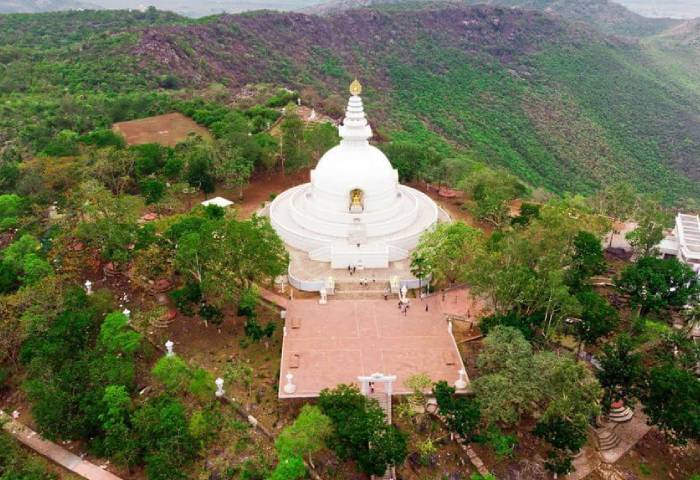
The birthplace of Siddhartha Gautama, around 563 BCE
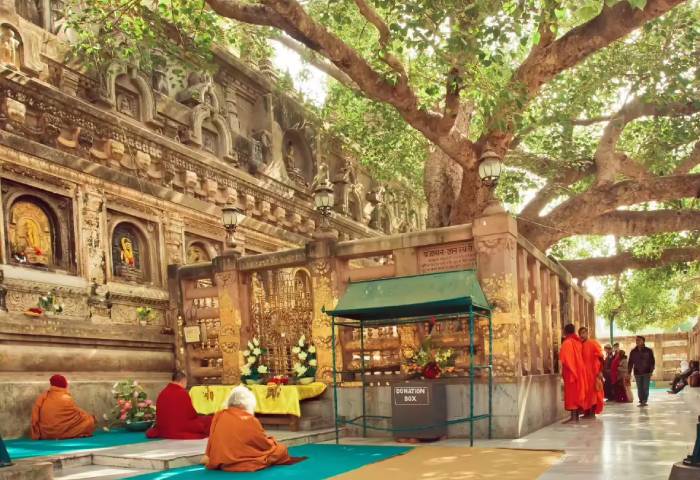
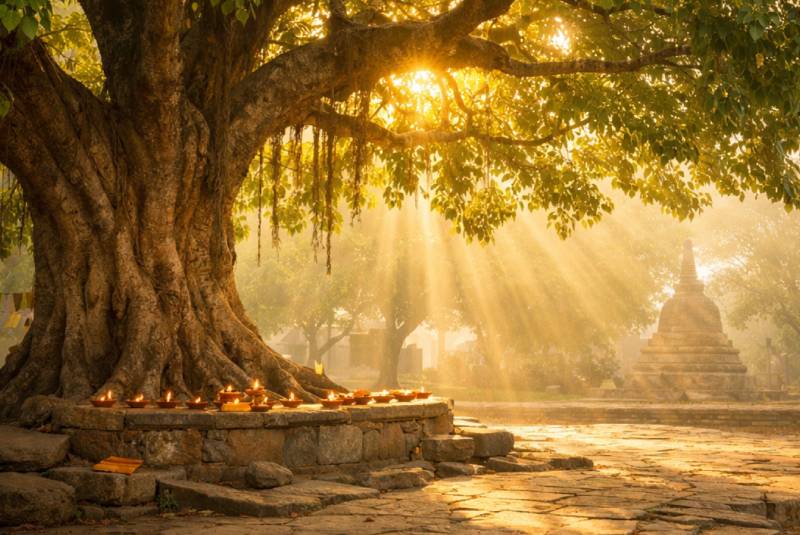
where he meditated and attained enlightenment, beneath the Bodhi tree
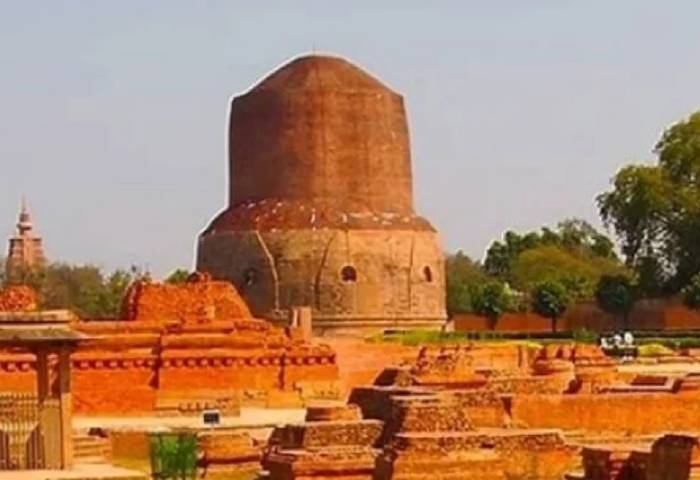
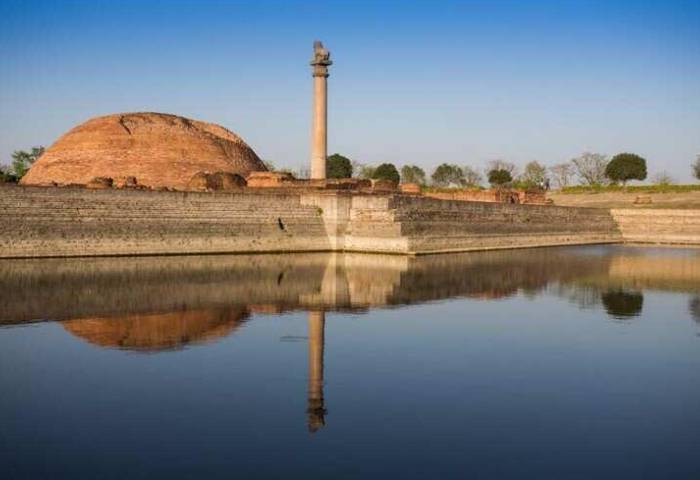
where he delivered his first sermon, setting the Dharma in motion
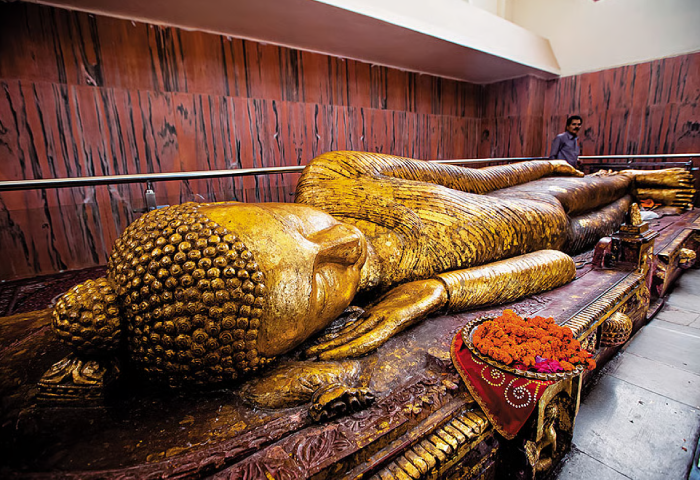
where he passed into Mahaparinirvana
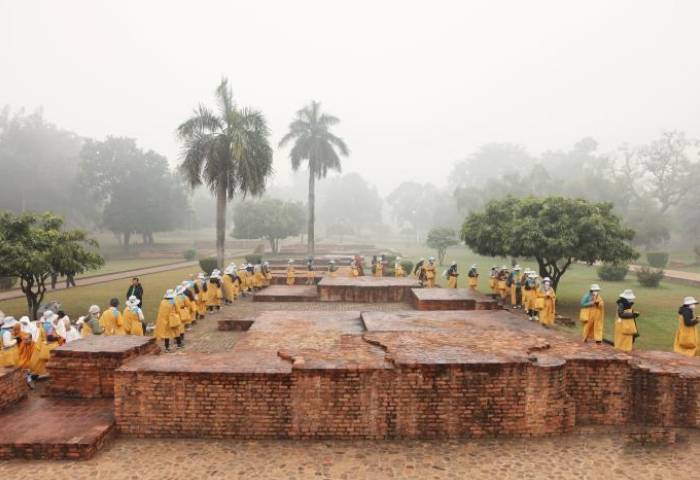
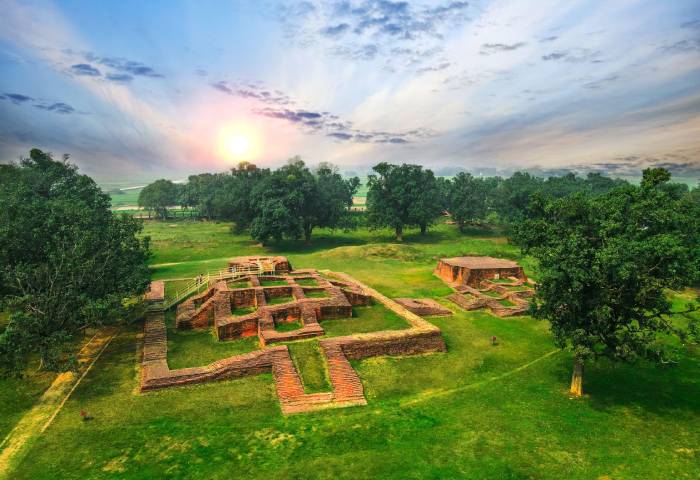
The story of Lord Buddha is not contained within four places alone. For much of his life, he moved across the plains of northern India, teaching, reflecting, and gathering a community of followers. The quiet groves of Sravasti, the ancient city of Vaishali, the lands of Kapilavastu, and the hills around Rajgir each hold their own place within the Buddhist tradition. Together, they form a wider landscape of memory, one that continues to invite contemplation and understanding.
In the centuries that followed, the teachings of the Buddha travelled far beyond the region where they first took root. Along trade routes, through royal patronage, and by the efforts of monks, scholars, and pilgrims, Buddhism found expression in many cultures and languages. From Sri Lanka to China, from the great monasteries of Southeast Asia to the artistic traditions of Gandhara, its influence can still be seen in monuments, manuscripts, ruins, rituals, and daily life.
Today, these places offer a glimpse into the many ways Buddhism has been understood and lived across time. Buddhist Circuits brings together these histories, traditions, and sacred landscapes, tracing a shared heritage that extends across much of Asia.
Buddham Sharanam Gachchhami — in these words lies a timeless refuge. As travelers and seekers, we walk not only through landscapes but through inner journeys of peace.
Read more →
Lumbini, the birthplace of Lord Buddha, is more than a destination — it is a living sanctuary of wisdom. Pilgrims from around the world gather here to meditate, ...
Read more →
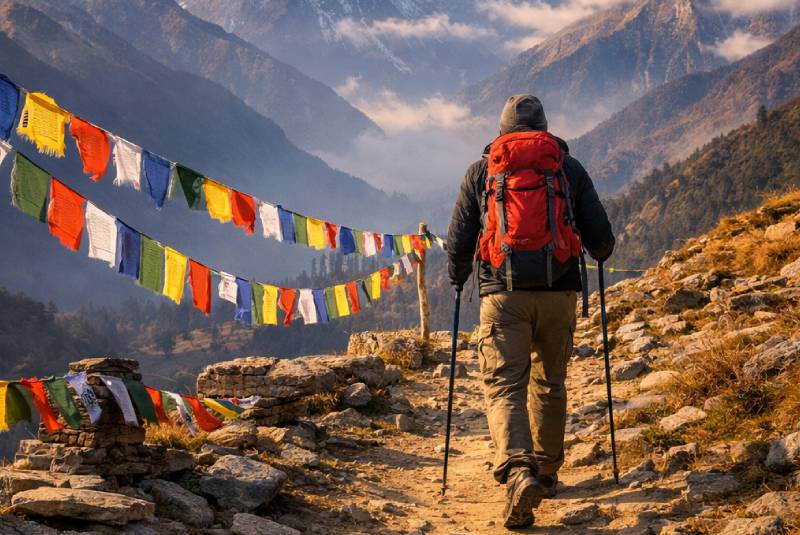
Adventure and spirituality are not opposites — they are companions. Whether trekking to Kailash or joining the Everest Marathon, mindfulness transforms every step into meditation.
Read more →Walk the paths where mindfulness was born. Join our expertly guided journeys to Lumbini and discover a timeless tranquility that stays with you forever.
'NuwaKoTT GHAR' Sanepa Chowk, Lalitpur-2